

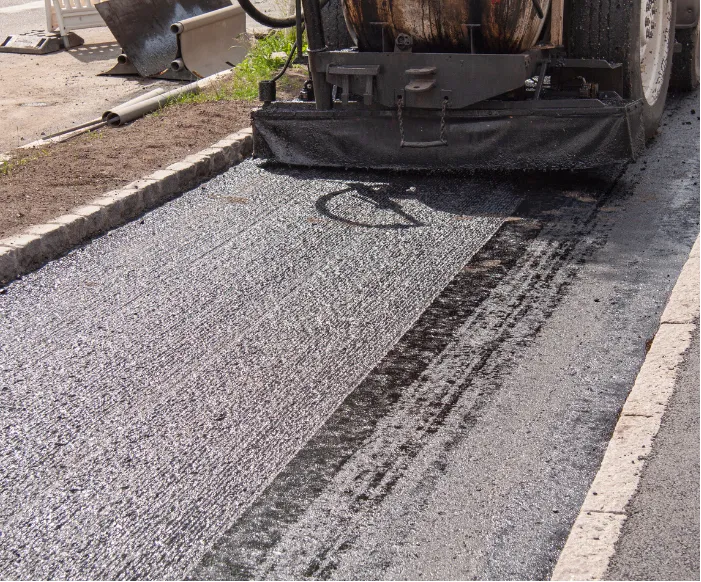
When asphalt begins to show signs of wear, property owners may wonder whether they need a completely new pavement surface or if an existing surface can be improved. Two options often considered are asphalt overlay and asphalt resurfacing. While the terms are sometimes used interchangeably, understanding their differences can help you make a more informed decision.
What Is an Asphalt Overlay?
An asphalt overlay involves placing a new layer of asphalt over an existing pavement surface. This option can improve the appearance and performance of asphalt that has minor to moderate surface damage, provided the underlying pavement is still structurally sound.
Before an overlay, existing cracks or damaged areas may need attention. Learn more about available asphalt repair services to address these issues.
What Is Asphalt Resurfacing?
Asphalt resurfacing is a process that restores the pavement by addressing the existing surface before applying a new asphalt layer. Depending on the condition of the pavement, preparation may involve removing or repairing damaged areas.
Resurfacing can provide a smoother, refreshed surface without necessarily requiring complete pavement replacement. Explore asphalt resurfacing services to learn more.
Which Option Is Right for Your Pavement?
The right solution depends on the pavement’s current condition, the extent of damage, and the condition of the underlying base. A professional asphalt contractor can evaluate the surface and recommend the most appropriate approach.
If your pavement needs attention, contact Viviana’s Asphalt to discuss your project and available paving solutions.