

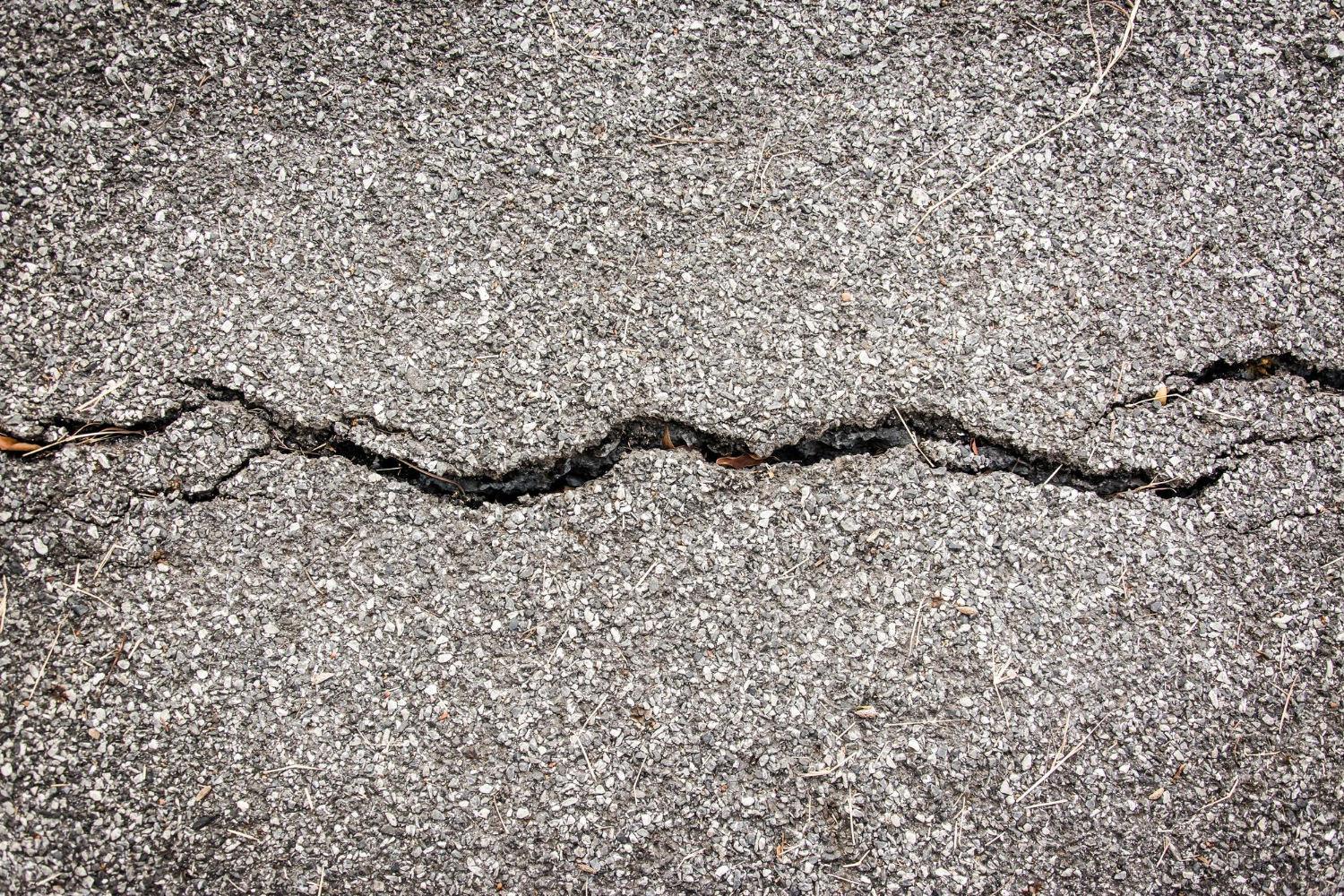
Asphalt pavement naturally wears down over time due to traffic, weather, and aging. But not all damage requires the same repair method. Understanding whether you need crack filling, patching, or full resurfacing helps you maintain your driveway or parking lot cost-effectively while extending its lifespan.
When Crack Filling Is Enough
Crack filling works best for minor surface cracks caused by UV exposure or small temperature changes. It seals gaps before water penetrates the base layer, preventing future potholes and structural damage. This is a quick, affordable maintenance step that keeps small problems from becoming big repairs.
When Patching Is the Right Choice
If you notice potholes, deep cracks, or localized damage, asphalt patching may be needed. Patching removes damaged sections and replaces them with new asphalt. It’s ideal for isolated problem areas but not a long-term solution if damage is widespread.
When Full Resurfacing Is Necessary
Resurfacing (also called overlay) is recommended when the surface layer is heavily worn or cracked but the foundation is still stable. A new layer of asphalt is applied over the old one, restoring appearance, strength, and durability without the cost of a full replacement.
Choosing the right repair method helps maximize the lifespan of your pavement and saves money long-term. A professional assessment can determine the best option for your specific driveway or parking lot.